

In Memoriam: Remembering visionary filmmaker Vlatko Gilić
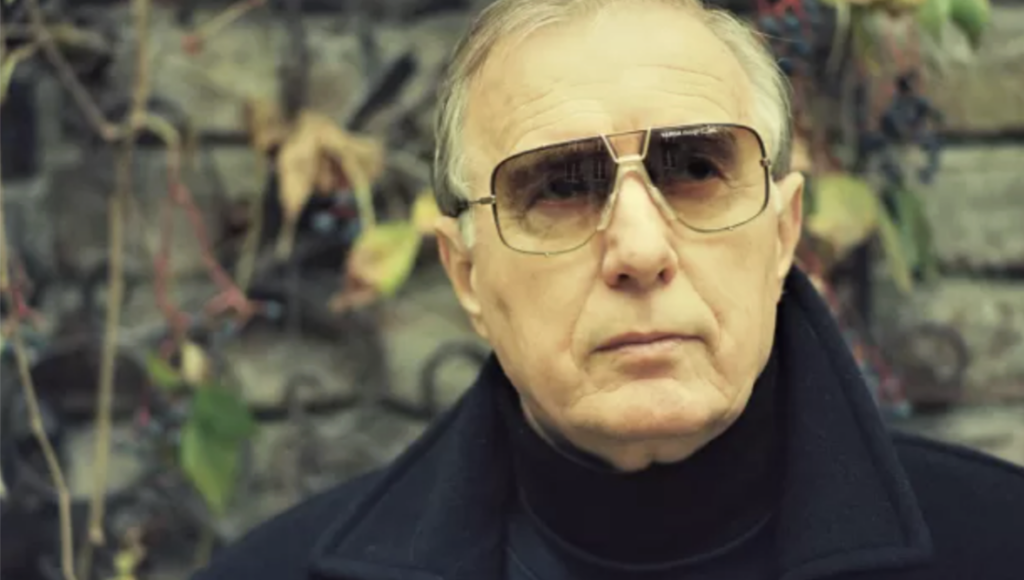
A master filmmaker’s legacy lives on.
Last week the great master of cinema, Vlatko Gilić decamped to cinema Pantheon. He was 92. After 1980, with the exception of a short film Montenegro’s Atos in 1986, he was no longer making movies and was teaching full time at the film school in Novi Sad where he passed his passion for moving images and his unique vision of what cinema – and art in general – can be at its best to generations of his students.
Gilić (born in Montenegro, he lived and worked in Belgrade and Novi Sad in Serbia,) is universally recognized as one of the select few cinema luminaries such as Tarkovsky, Bergman, Fellini, Kurosawa…as one of the 50 most significant directors in cinema history. And the only one from South East Europe to make that specific list.
His groundbreaking short films have no dialog at all. They speak in a visual language so unique, so powerful and defining of human existence that they remain embedded in our consciousness and memory forever, making a profound impact on our notions of self in a complex and incredible universe.
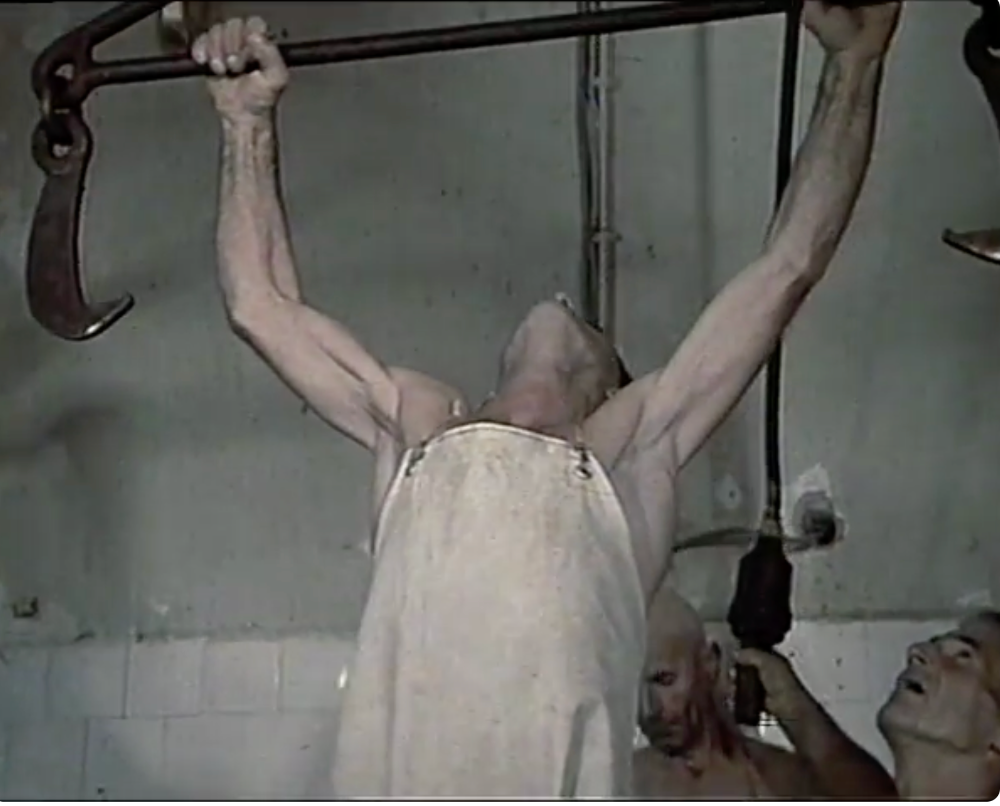
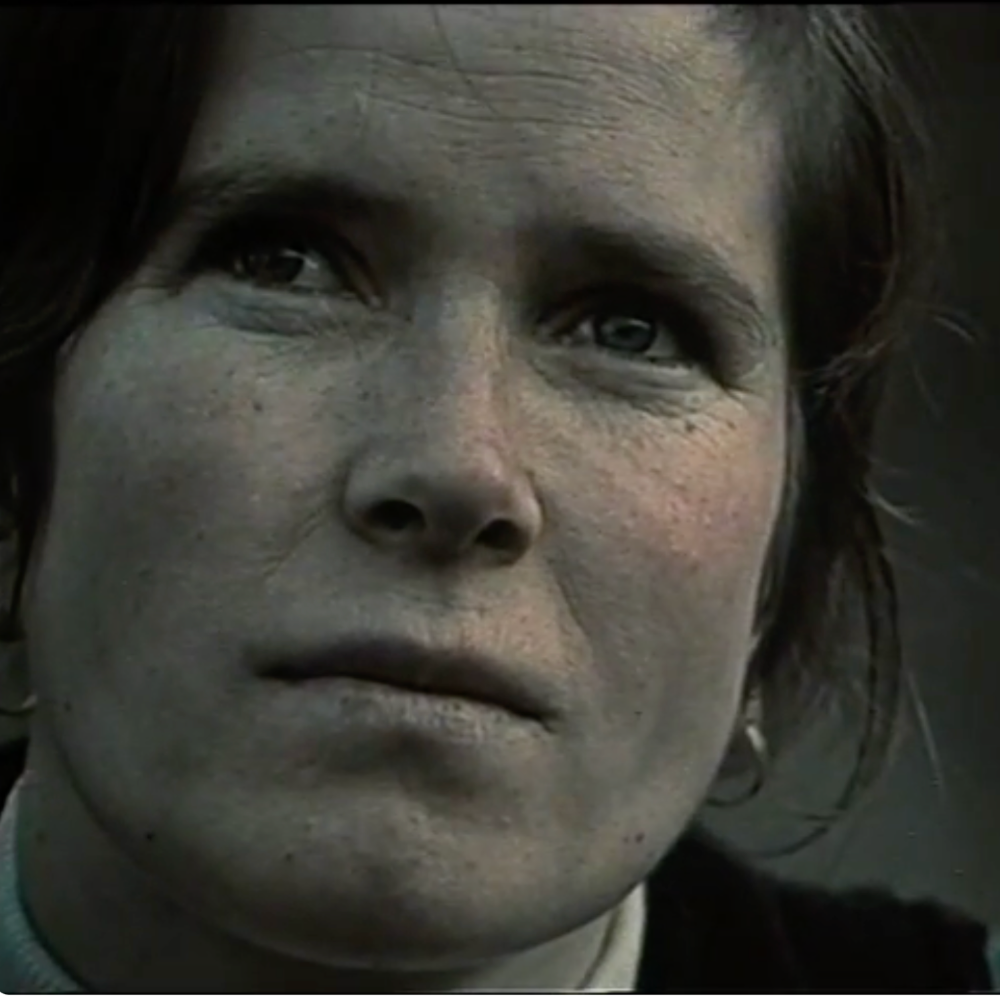
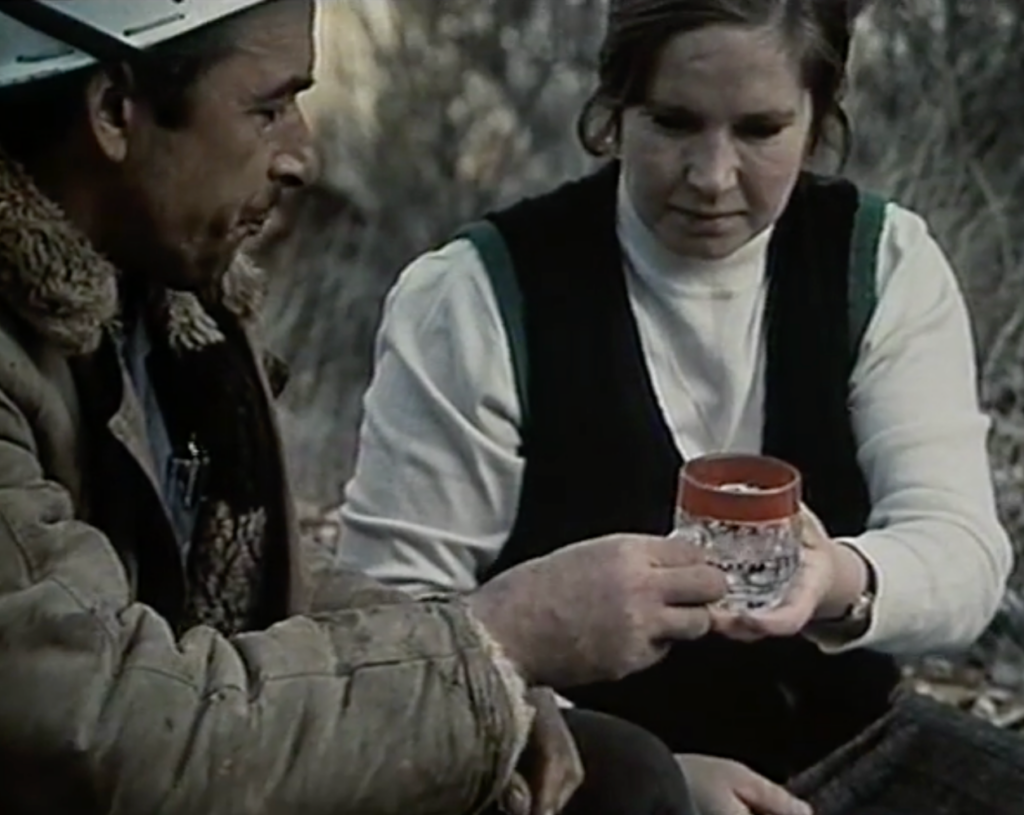
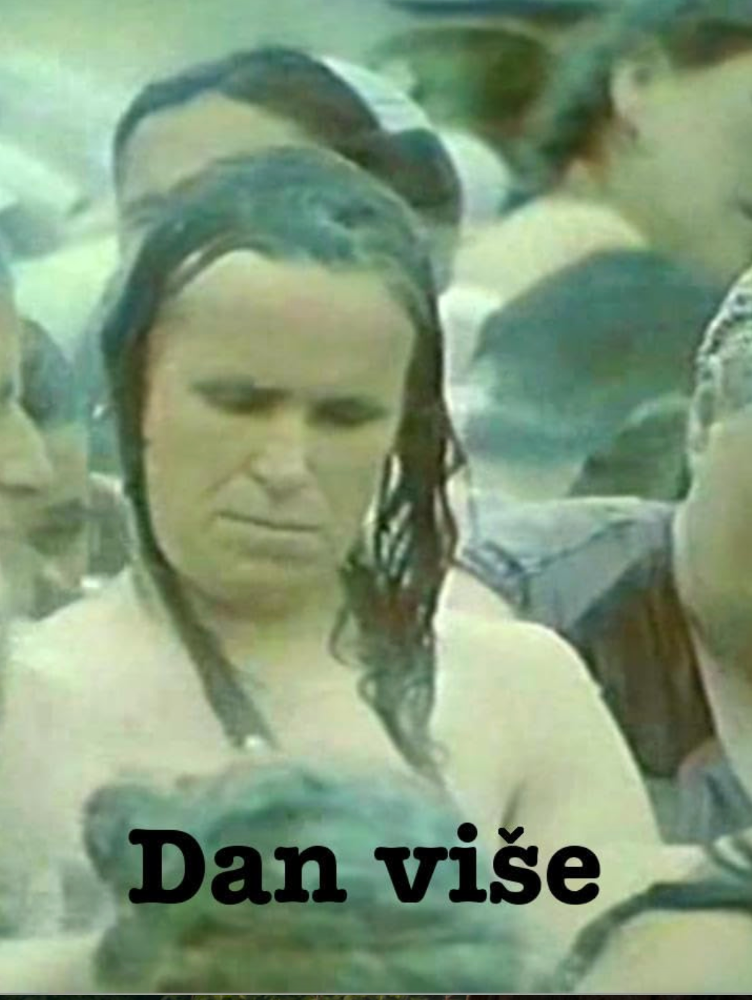
Gilić was both a cinema philosopher and cinema poet. He made a foundational film in 1971 about the human desire to extend life, One Day More. His slaughterhouse short In Continuo (1970) transcends the starkness of the environment in the same way that El Greco, or Picasso made their paintings speak beyond the silence of the brush. His lyrical Love (1972), with only a quiet and distant sound of the workmen wrenching steel beams on a construction site hit like the hurricane shattering layers of learned behavior to take us to the epicenter of our capacity to love.
Men of Gilić’s vision and mastery rarely fare too well in any era. He was so ahead of his time that his approach and what he wanted to do stood apart from everyone and everything else. He made two feature films, Backbone (1975), and Days of Dreams (1980). To say that both were commercial failures is an understatement, though both premiered at Cannes. The claustrophobic world of Backbone which prophesied a polluted and suffocating world, an enigmatic and haunting doom, did not earn Gilić any favors. He stood alone, keeping to himself, and perhaps he had already said too much in the few films he had made.
In 2012-2013, I teamed up with Adam Hyman of the Los Angeles Filmforum to organize the retrospective of Vlatko Gilić’s films. We were lucky that the Harvard Film Archive had bought the prints of his films and agreed to digitize them. Since then, the films of Vlatko Gilić have been touring the country, from the Pacific Film Archive to the National Gallery of Art, always inspiring new appreciations. These films are simply timeless, illuminating the human path with compassion and unparalleled understanding.
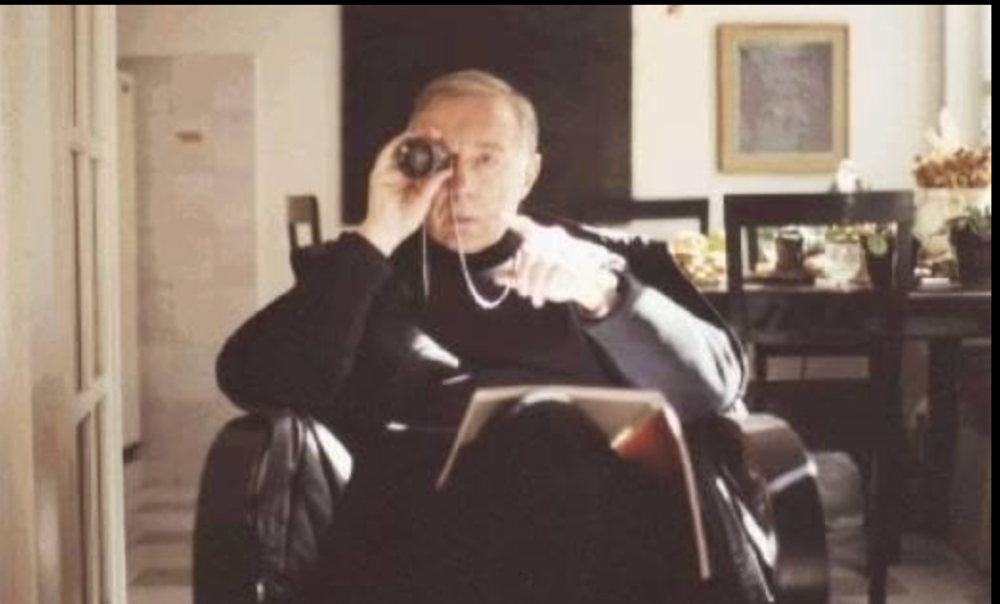
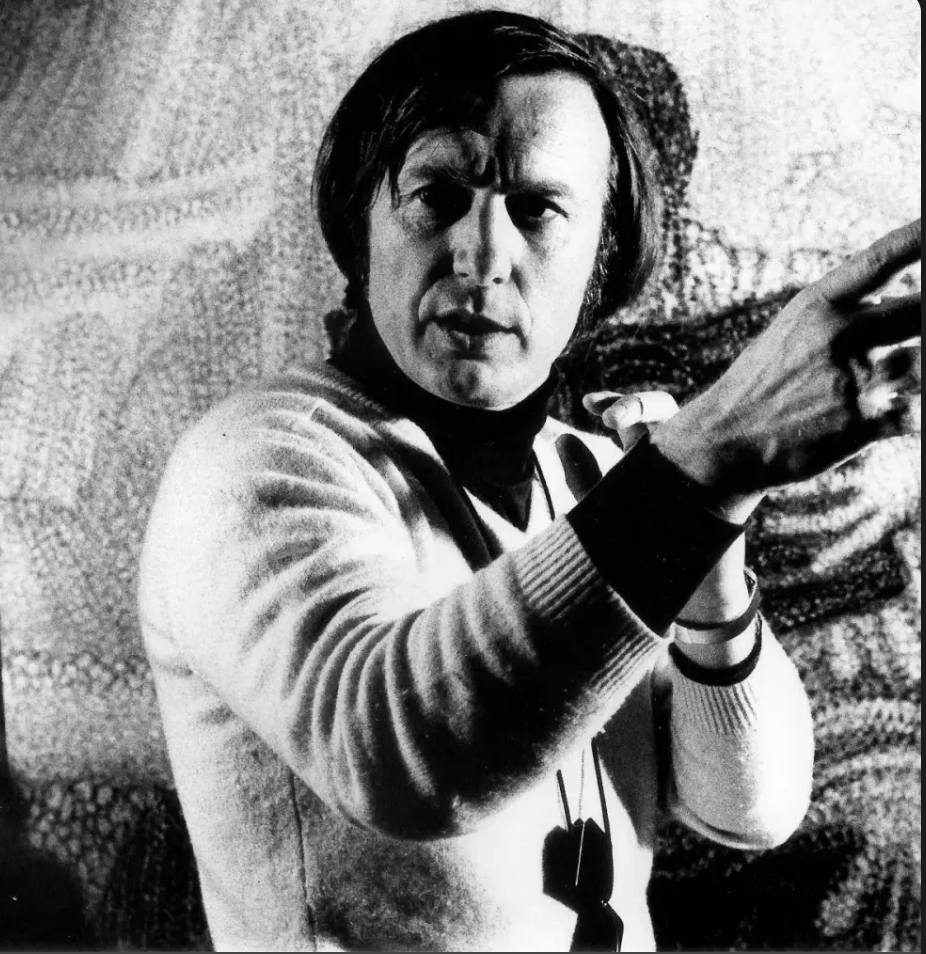
In 2024, his lifelong friend, multimedia artist Saša Pančić published a book of Gilić’s drawings. It is an homage to his prolific visual artistry which can be traced back to his beginnings as production designer in the early 1960s. Browse these images as we pay our respects to a man of integrity whose cinematic opus is one of the great artistic legacies from South East Europe that we are proud of.
Vera Mijojlic
If you have memories of Vlatko Gilić films you’ve seen, please share them on our Facebook post.
SUPPORT SEEFEST
Not a member yet? Become an art patron with other SEEfest arthouse aficionados in support of great events and programs. Our mission is to keep you informed about initiatives from our wide network of fellow cultural organizations.
We Welcome YOU!
Mindset that knows no borders: Interview with Otto Banovits
Online cultural magazine Transatlantic Panorama (TAP) has just published an interview with film director Otto Banovits, whose short film Donkey Xote won Best Short Film Award at SEEfest 2017. He talks about his migratory life that took him from Sweden to Hungary to England and Los Angeles, and how this journey informed his work – and his mindset that knows no borders. Interviewed by Bettina Botos, publisher of TAP, Banovits touches upon many themes including, among others, form vs. content, quotes Hungarian writer István Eörsi, and references the 2016 Oscar-winning film Son of Saul by László Nemes when talking about the fate of refugees. You can read the entire interview here.
The Science of Counting the Ballots for Best Picture
Unlike other Oscar categories, where the winners are those with most votes, Best Picture is chosen from this year’s 9 (sometimes more) nominees through a complex process of counting the ballots using the preferential system. Accountants from PricewaterhouseCoopers, PwC, are in charge of the count. You can find out about the ‘8 steps’ and the ‘magic number’ in this detailed account of the process from The Wrap’s Steve Pond. He explains what it takes to get to the biggest prize of the year, Best Picture Oscar. Incidentally it is given to the producer(s), not the director – though director is oftentimes one of the producers as well. Wonder about the Oscar betting odds? La la Land leads, followed by Moonlight and Hidden Figures. Have fun!
More about Oscar Ballots:
The Wrap’s article by Steve Pond
What is your favorite of the 9 Best Picture Nominees?Let us know on our Facebook page!
Support international cinema in Los Angeles and new film talent from South East Europe. Donate here!